Selling a home in Lower Gwynedd Township can feel simple on the surface, especially when local homes are moving quickly. But between pricing, prep work, permits, disclosures, staging, and closing costs, there are a lot of details that can affect your timeline and your bottom line. If you want a smoother sale and fewer surprises, it helps to follow a clear plan from the start. Let’s dive in.
Understand the Lower Gwynedd market
Before you make updates or choose a list price, it helps to understand the market you are stepping into. As of March 2026, Lower Gwynedd was described as a balanced market, with 46 homes for sale, a median days on market of 18, a sale-to-list ratio of 100%, and a median listing price of $975,000.
That local context matters because Lower Gwynedd does not always track with broader county numbers. Montgomery County’s median sale price and typical home value are much lower, so pricing your home based on countywide averages alone can miss the mark. In this township, recent nearby comparable sales, your home’s condition, and buyer demand should drive the strategy.
Lower Gwynedd also has an older, established housing stock. The township’s planning documents note that most homes were built after 1950, and a large share of the housing inventory is single-family detached. That means buyers may compare your home closely against other established properties where condition, layout, maintenance history, and presentation can make a big difference.
Start with a pre-listing plan
A strong sale usually starts before your home hits the market. Most sellers spend about two weeks to a month getting a home ready to list, though the timeline depends on the property and how much prep is needed.
This is the stage where you want to look at your home through a buyer’s eyes. Focus first on decluttering, depersonalizing, deep cleaning, and handling repairs that could stand out during showings or inspections. A prep-first approach is often more effective than jumping into major renovations.
You may also want to consider a pre-sale home inspection. This can help you spot obvious issues early so you can decide what to address before buyers walk through the door. For many sellers, that creates more control and can reduce last-minute stress during negotiations.
Know which updates need permits
One of the biggest mistakes sellers make is starting work without checking permit rules. In Lower Gwynedd Township, some cosmetic improvements usually do not require permits, while more involved work often does.
According to the township, painting, changing cabinets, wallpaper, carpet, and fixtures do not require permits. Those are often the kinds of updates that can refresh a home without creating extra paperwork or delaying your listing timeline.
Permit-requiring work is a different story. Moving or constructing walls, creating new rooms, structural changes, replacing siding or stucco, and most plumbing, electrical, and HVAC work behind the walls generally require permits. If permits are needed, the township says applications usually require plans and supporting documentation, so missing paperwork can slow the process.
It is also helpful to know what is not required. Lower Gwynedd states that a use-and-occupancy permit is not required for residential resale. That can remove one step from the selling process, but it does not replace the need to handle permits properly for any completed work.
Focus on high-impact presentation
You do not need a full remodel to make a strong impression. In many cases, a clean, well-presented home can do more for your sale than expensive upgrades that are hard to finish on time.
Home staging plays an important role here. In the National Association of Realtors 2025 Profile of Home Staging, 83% of buyers’ agents said staging made it easier for buyers to visualize a home as their future property. The same report found that 49% of sellers’ agents said staging reduced time on market, and 29% said it increased dollar value offered by 1% to 10%.
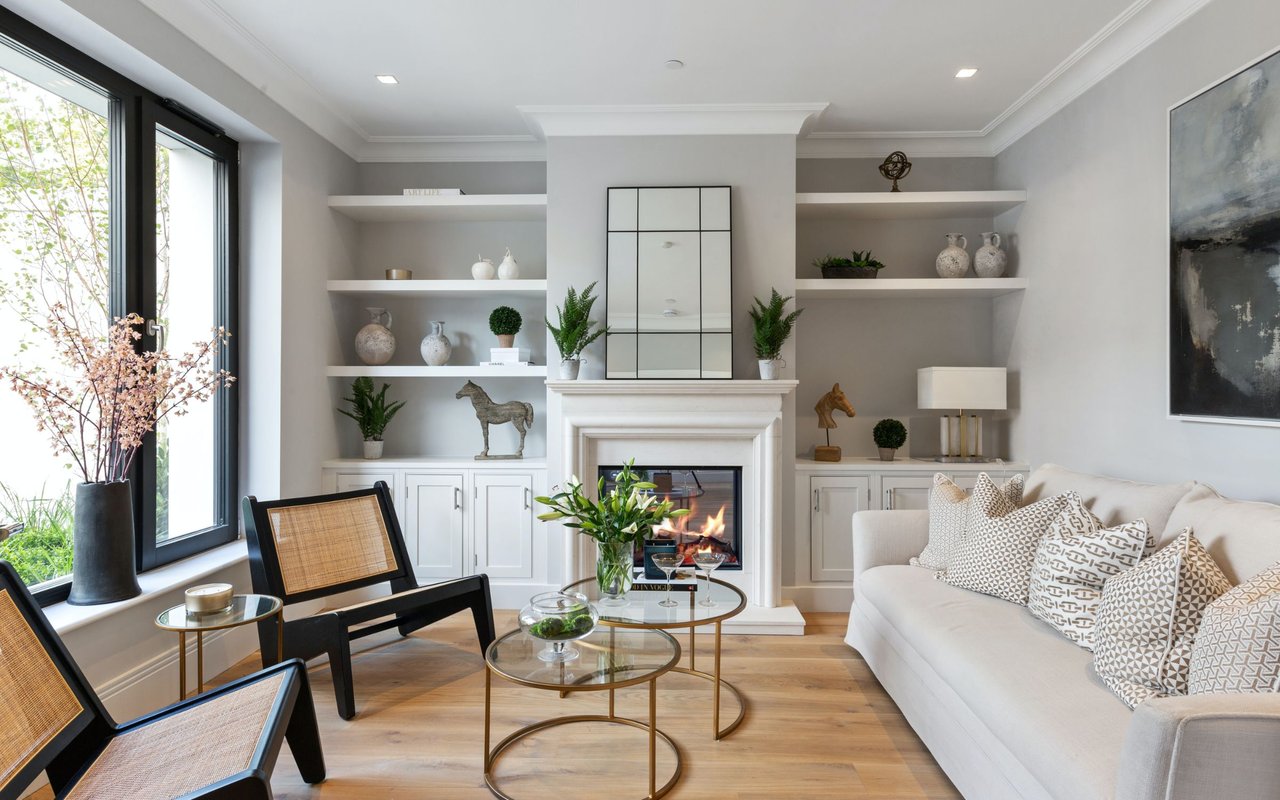
The rooms staged most often were the living room, primary bedroom, dining room, and kitchen. If you are prioritizing time and budget, those areas are a smart place to start. In a market like Lower Gwynedd, where buyers may be comparing several established homes at similar price points, presentation can help your property stand out.
Photography matters just as much. The same staging research found that 88% of sellers’ agents said listing photos were much more important or more important. That means your prep, staging, and photography should work together as one launch strategy, not as separate tasks.
Price from local comps, not guesswork
Pricing is one of the most important decisions you will make. In Lower Gwynedd, where the sale-to-list ratio is averaging 100% and homes are moving in a median of 18 days, it may be tempting to aim high and see what happens. But pricing still needs to be grounded in real market evidence.
A careful pricing strategy should look at recent comparable sales, current competition, lot and location factors, condition, layout, updates, and overall buyer appeal. This is especially important in a township where housing values are among the highest in Montgomery County and property differences can have a noticeable impact on buyer response.
Overpricing can limit early interest, even in a balanced market. Buyers notice when a home feels out of step with nearby options. A well-supported price gives you a better chance to attract serious attention during those important first days on market.
Prepare for disclosures early
Pennsylvania sellers have clear disclosure responsibilities, so it is smart to gather information before your home goes live. The state’s Real Estate Seller Disclosure Law applies to most residential transfers of one to four dwelling units, including condos and cooperatives for the seller’s own unit.
Sellers must disclose known material defects before signing the agreement of transfer. The state disclosure form covers a wide range of topics, including the roof, basement, termites, structural issues, additions or remodeling, water and sewage systems, plumbing, HVAC, electrical systems, hazardous substances, HOA matters, and title or legal issues.
If your home was built before 1978, lead-based paint rules also apply. That includes lead disclosure requirements, a lead warning statement, delivery of the EPA pamphlet, and an opportunity for the buyer to conduct a lead inspection or risk assessment.
Radon is another important item in Pennsylvania. The Pennsylvania Department of Environmental Protection says radon is a serious issue statewide, about 40% of homes tested in Pennsylvania are above the EPA action level of 4 picocuries per liter, and testing is the only way to know. If your home has been tested, those results must be disclosed when it is sold.
Build a showing routine
Once your home is active, consistency matters. A one-time deep clean is helpful, but day-to-day showing readiness is what supports strong buyer impressions throughout the listing period.
A practical routine usually includes:
- Keeping surfaces clear
- Storing personal items out of sight
- Making beds and straightening key rooms
- Maintaining clean kitchens and baths
- Managing pet items, odors, and noise if needed
- Turning on lights and keeping the home bright
This does not need to feel overwhelming. The goal is to make your home easy for buyers to walk through, understand, and picture as their own.
Review offers with the full picture
The highest offer is not always the strongest offer. Once offers come in, it is important to look at the full package, including price, financing, contingencies, timing, repair expectations, and the buyer’s overall ability to get to closing.
This is also where your timeline matters. If you are buying another home, downsizing, or coordinating a move, settlement dates and flexibility can be just as important as headline price. A thoughtful review process helps you choose the offer that fits both your financial goals and your next step.
Understand the closing timeline and taxes
After you accept an offer, the transaction is not done yet. The closing period often takes about 30 to 45 days, depending on financing, inspection negotiations, and final paperwork.
Closing or settlement is the final step, when the parties sign the required documents. Buyers usually complete a final walk-through before signing so they can confirm agreed repairs were completed and included items are still in place.
If the buyer is using a mortgage, there is also a final review window to keep in mind. Buyers must receive the Closing Disclosure at least three business days before closing, which can affect timing if there are last-minute changes.
You should also plan for transfer taxes. In Lower Gwynedd, the baseline realty transfer tax is 2% total, made up of 1% state tax and 1% local tax. The local portion is split evenly between the township and the Wissahickon School District. Some transfers may be exempt under state law, but many standard sales should expect that baseline cost unless contract terms or exemptions change the final amount.
Follow a simple step-by-step selling path
If you want to keep the process organized, here is a practical roadmap:
- Review your home’s condition and create a prep list.
- Decide which updates are worth doing before listing.
- Check township permit rules before starting any larger work.
- Gather records for repairs, upgrades, and prior testing.
- Complete required seller disclosures.
- Declutter, clean, and stage the most important rooms.
- Price the home using recent Lower Gwynedd comps.
- Launch with strong photography and a clear market strategy.
- Keep the home show-ready until offers are reviewed.
- Plan for inspections, closing timelines, and transfer taxes.
Selling in Lower Gwynedd Township is not just about putting a sign in the yard. It is about matching smart preparation with local pricing, clear disclosures, and polished presentation. When those pieces work together, you are in a much better position to move forward with confidence.
If you are thinking about selling and want a practical plan for pricing, prep, and presentation, Jennifer Rappaport can help you map out the next steps.
FAQs
Do I need permits for updates before selling a home in Lower Gwynedd Township?
- Usually not for paint, cabinets, wallpaper, carpet, and fixtures. Structural changes, new rooms, siding or stucco replacement, and most plumbing, electrical, and HVAC work typically do require permits.
What disclosures are required when selling a home in Lower Gwynedd Township?
- Pennsylvania sellers must disclose known material defects for most one-to-four-unit residential properties. If the home was built before 1978, lead-based paint rules apply, and any known radon test results must also be disclosed.
How long does it take to sell a home in Lower Gwynedd Township?
- Recent local data showed a median of 18 days on market, but your full selling timeline also includes prep time before listing and about 30 to 45 days from accepted offer to closing in many transactions.
How much are transfer taxes when selling a home in Lower Gwynedd Township?
- The baseline transfer tax is 2% total, which includes 1% Pennsylvania state realty transfer tax and 1% local realty transfer tax, before any exemptions or contract-specific adjustments.
Do I need a use-and-occupancy permit to sell a home in Lower Gwynedd Township?
- No. Lower Gwynedd Township states that a use-and-occupancy permit is not required for residential resale.